Careers & Contributions

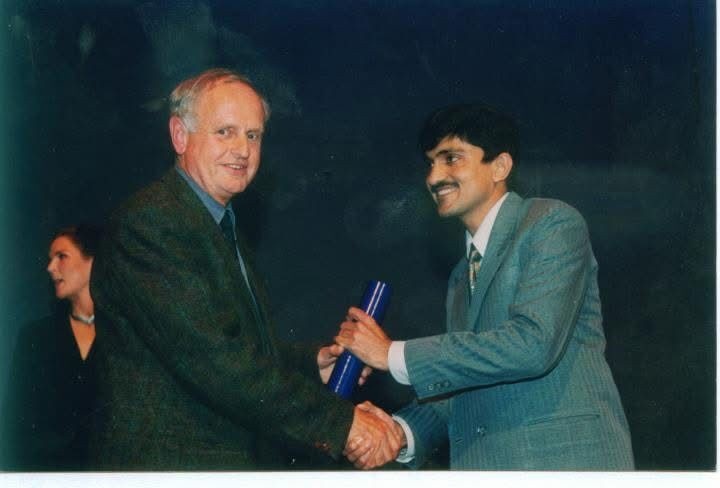
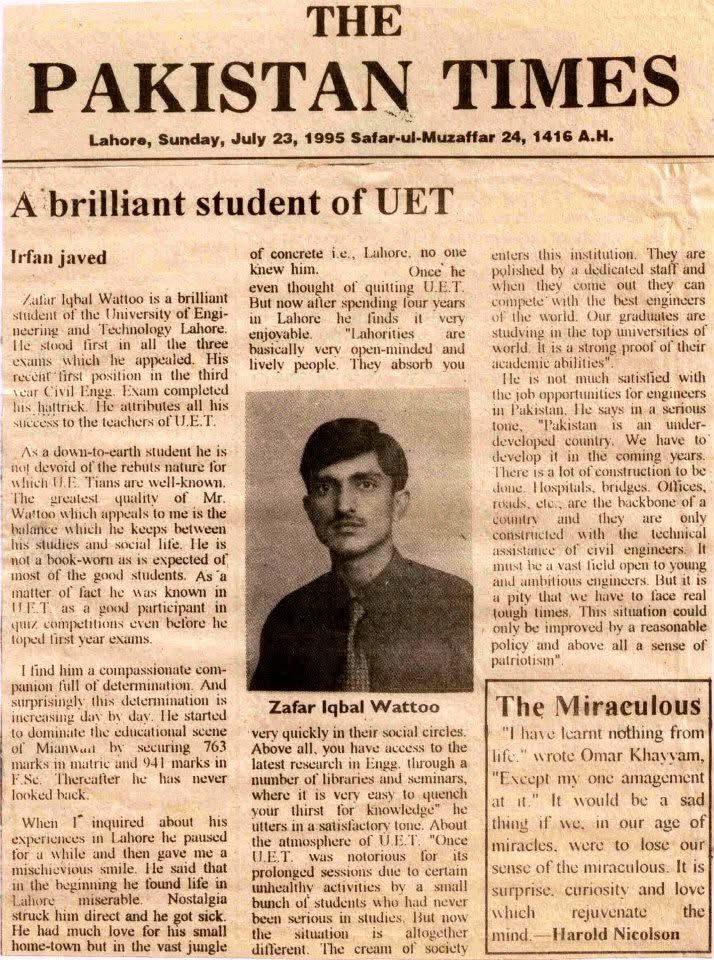
  • Engr. Zafar Iqbal Wattoo earned the Gold Medal in Civil Engineering from the University of Engineering & Technology (UET) Lahore after securing top positions consistently throughout his four-year academic program. His exceptional performance was recognized and featured in The Pakistan Times (July 23, 1995), acknowledging him as one of the most brilliant students of his batch.
  • Engr. Zafar Iqbal Wattoo completed his M.Sc. in Hydraulic Engineering in 2002 from UNESCO-IHE, Delft, Netherlands, one of the world’s leading institutes in water engineering. Earlier, he earned his B.Sc. in Civil Engineering in 1996 from UET Lahore, Pakistan. His international education strengthened his technical expertise in hydraulic and water resources engineering. This academic foundation has supported his successful global engineering career.
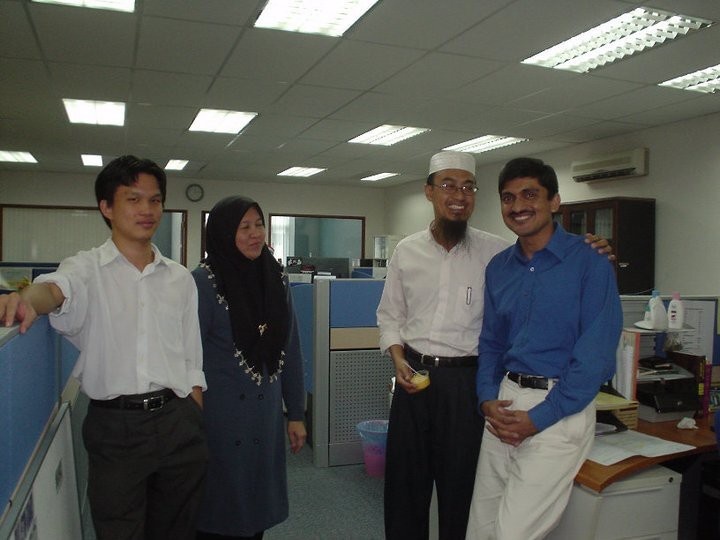
  • Engr. Zafar Iqbal Wattoo  Served as Hydrologist and Water Resources Engineer in Kuala Lumpur, Malaysia (2003–2005), where he contributed to the Drainage and Stormwater Management Master Plan. He performed hydrological and hydraulic modelling of major river systems including Klang, Gombak, and Batu rivers. His work supported flood risk reduction and urban drainage improvements. This experience enhanced his expertise in international flood management systems.

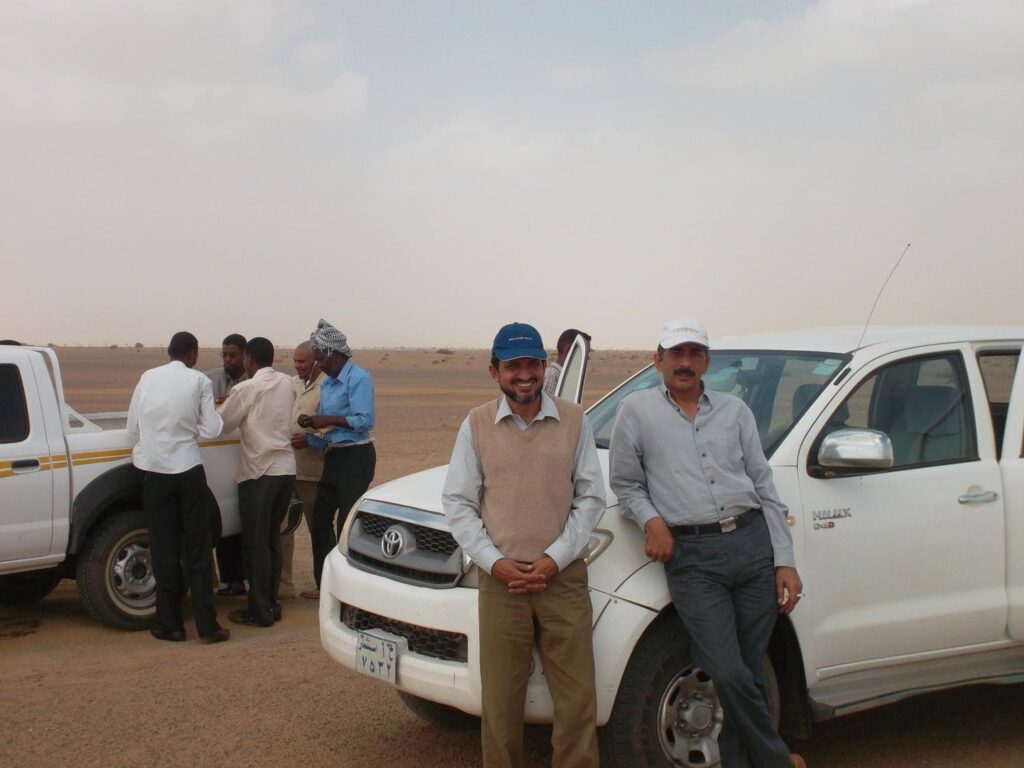
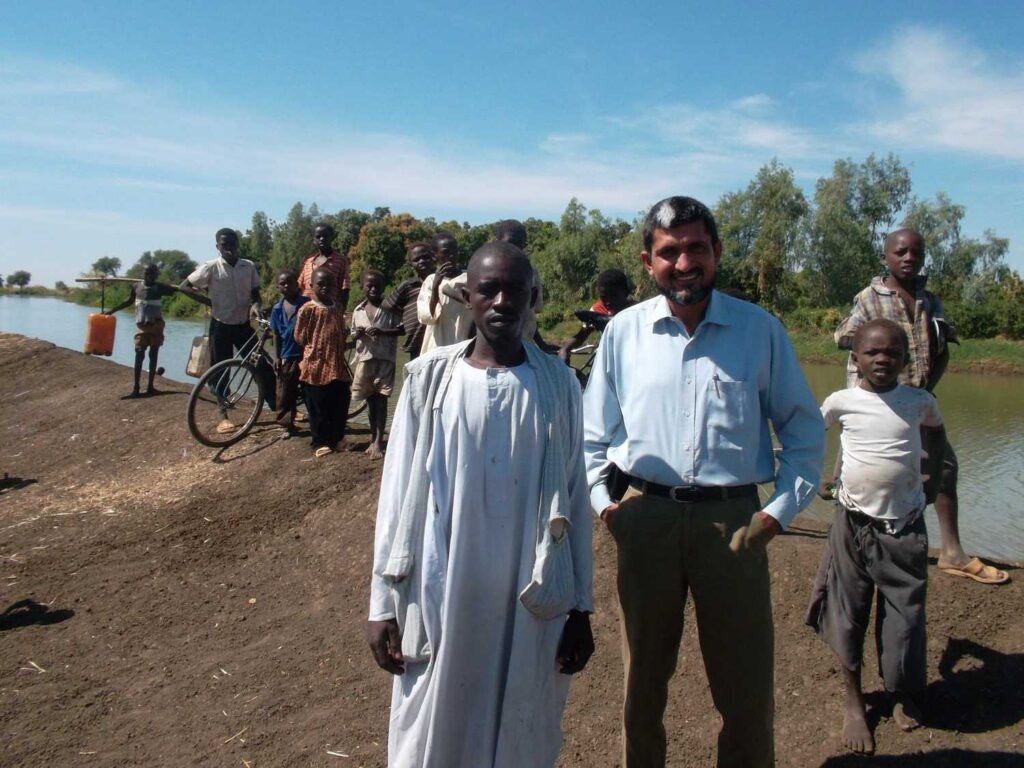
Engr.  Zafar Iqbal Wattoo served as Project Manager for dam and irrigation projects in Sudan (2011–2013), including Greater Darfur, Red Sea, and Al-Qadaraf regions. He led hydrological analysis, irrigation planning, and hydraulic design of dams and regulators. His work improved water availability for agriculture and communities. This international assignment strengthened his leadership and project management skills.

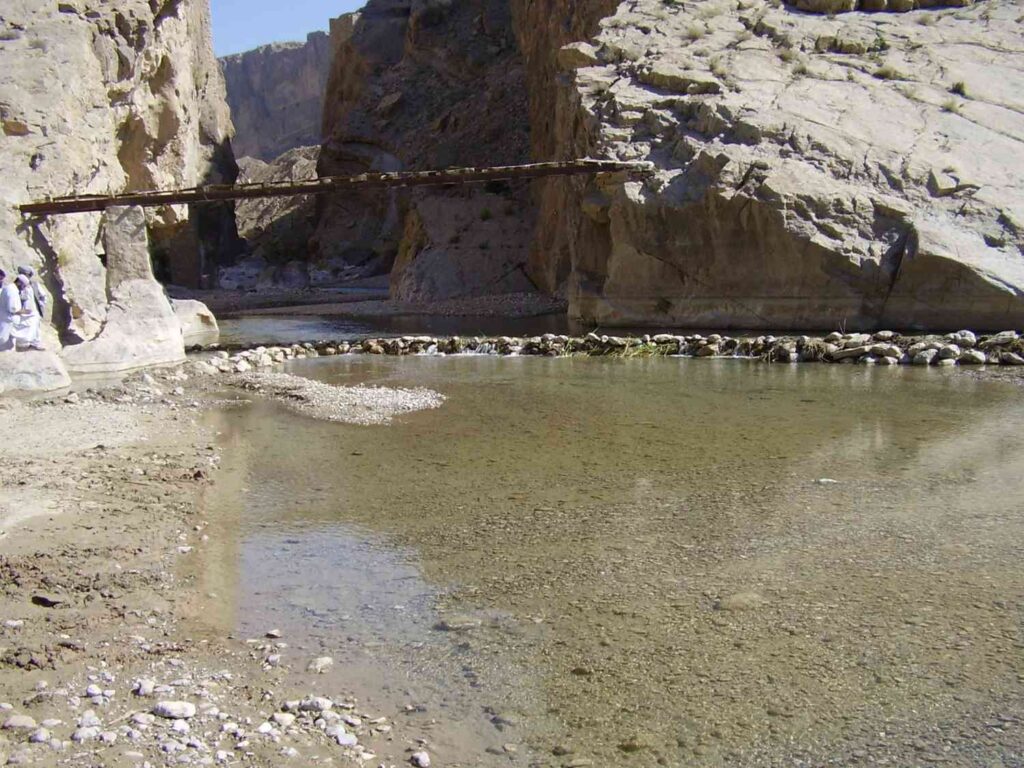
  • Zafar Iqbal Wattoo served as Project Manager for the Feasibility Study and Detailed Design of Small Dams in Greater Darfur State, Sudan (2011–2013) . The project included the design of multiple small water harvesting dams, spillways, and irrigation systems aimed at improving water storage in arid and conflict-affected regions. He led hydrological assessments, hydraulic design, and stakeholder coordination to ensure sustainable and climate-resilient solutions. The initiative significantly enhanced water availability for agriculture and local communities, supporting food security and regional stability.
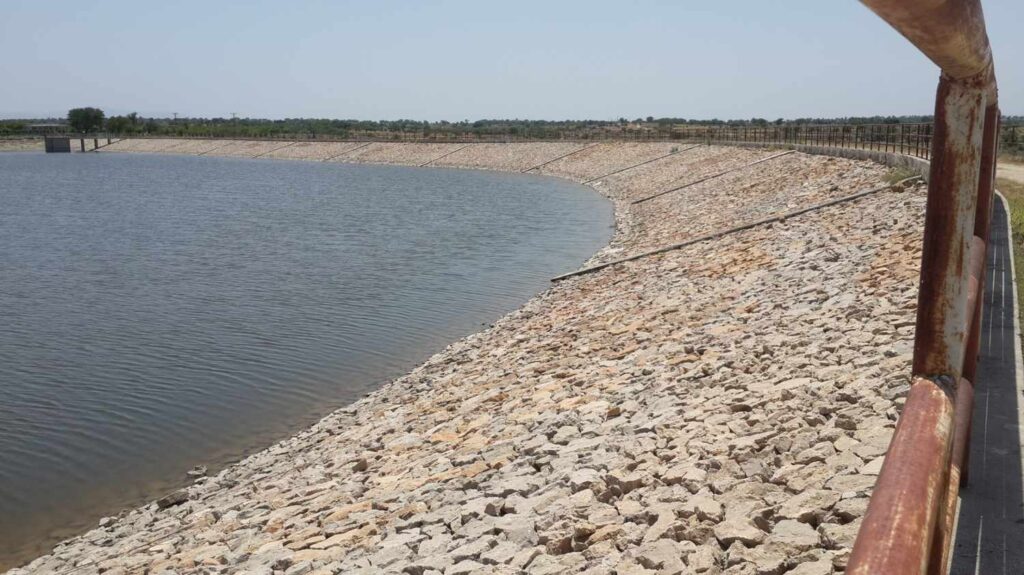
  • As Design Team Leader, he led the Siri Toi Dam Project in Balochistan, Pakistan (2019–2022) valued at Rs. 21,150 million. The project included a 72-meter-high dam, irrigation systems, and flood protection structures. His leadership ensured successful feasibility, design, and implementation planning. This project significantly enhanced regional water storage and irrigation capacity.
  • He worked as Team Leader on the Mini Dams Development Project in Punjab, Pakistan (2018–2019) covering Chakwal, Jhelum, Attock, and Rawalpindi districts. He supervised feasibility and design of more than 1,400 mini dams and irrigation schemes. This project supported agricultural sustainability and water conservation. His contribution strengthened rural water infrastructure.
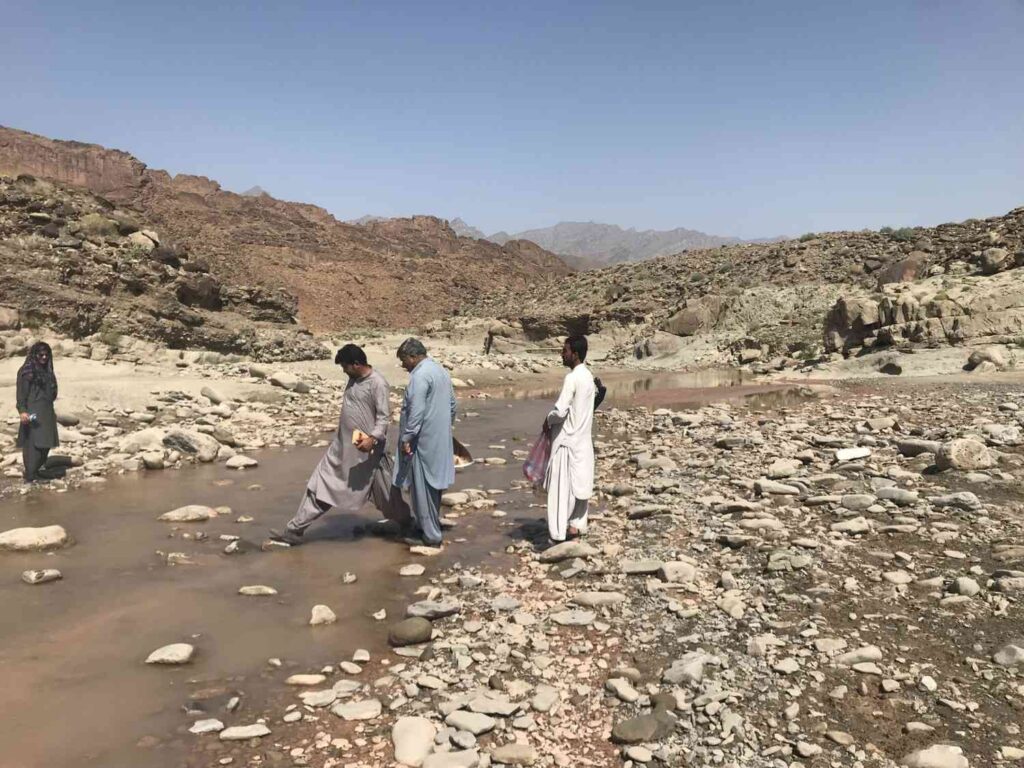
  • In Balochistan, Pakistan (2018–2019), he led the design review and construction supervision of 20 dams under the 100 Dams Project. He ensured structural safety, hydraulic performance, and engineering compliance. His work supported long-term water storage and flood protection. This project contributed significantly to regional water resource development.
  • He actively participated in international training and professional visits, including Hydropower and Environment training in Norway (2007), flood management training in Indonesia (2015), irrigation development training in Myanmar (2017), and rainwater harvesting training in Sudan (2018). He also attended global water management programs in Malaysia (2004) and engineering seminars in Netherlands (2001). These international visits enhanced his global engineering knowledge.
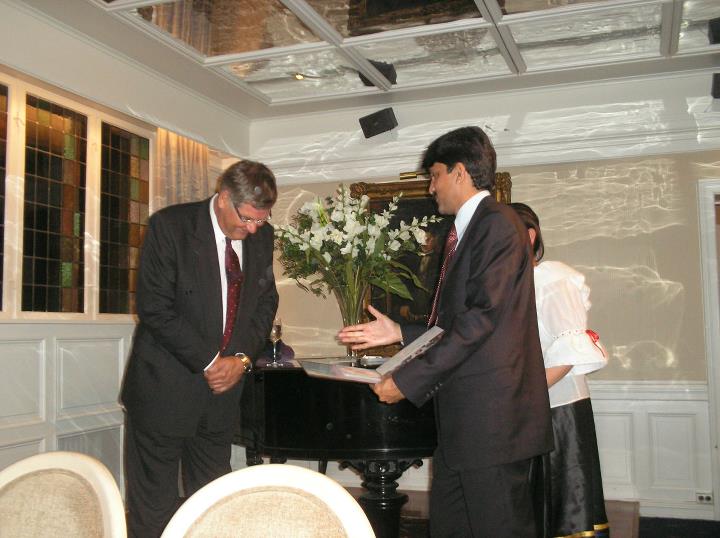
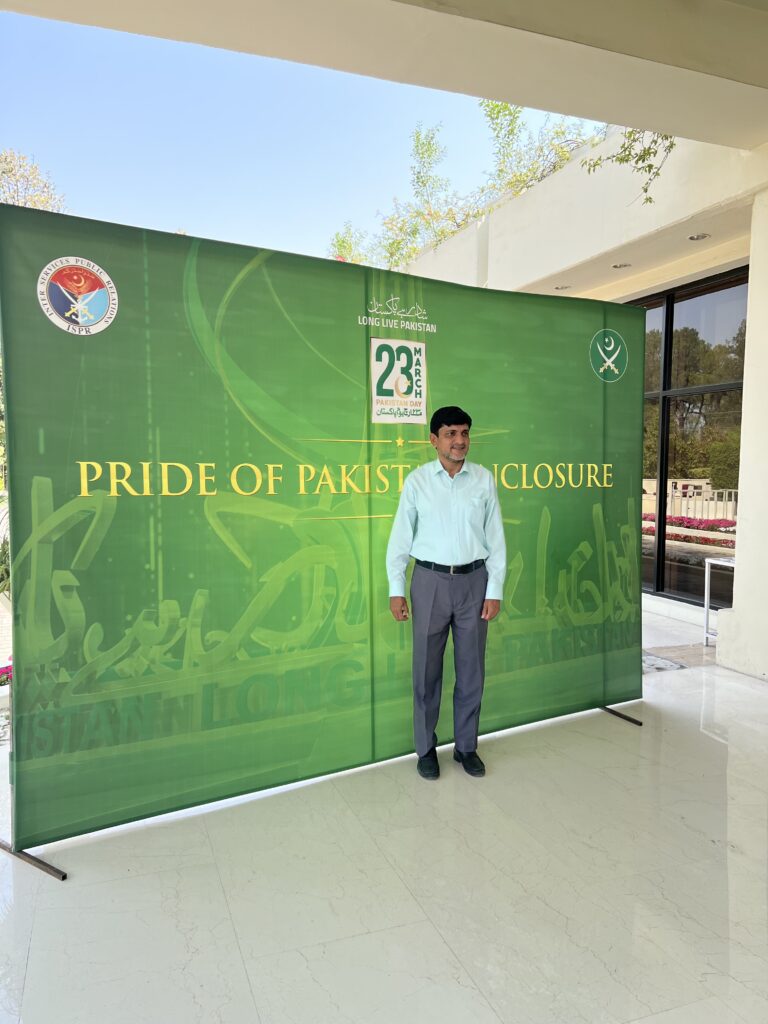
  • Zafar Iqbal Wattoo was honored with the Pride of Pakistan Award on 23 March 2022 national day of Pakistan in recognition of his outstanding contributions to water resources engineering and national infrastructure development. This prestigious recognition reflects his leadership in major dam, irrigation, and hydraulic engineering projects. His work has significantly contributed to improving water security and agricultural sustainability. The award highlights his dedication to engineering excellence and national service.
  • Institutional Transformation of Punjab Irrigation Department into Water Resources Department (2020–2021)
    Zafar Iqbal Wattoo contributed to the institutional transformation of the Punjab Irrigation Department into the Water Resources Department (2020–2021), Punjab, Pakistan, supporting modernization and integrated water management practices. His professional expertise helped strengthen technical planning, hydraulic design frameworks, and sustainable water resource strategies. This transformation improved governance and efficiency in water sector management. His involvement supported long-term institutional capacity building.
  • Chashma Right Bank Canal Irrigation Project Stage-III (1998–2000), KPK, Pakistan
    Wattoo worked as Junior Design Engineer Hydraulics on the Chashma Right Bank Canal Project Stage-III in Khyber Pakhtunkhwa, Pakistan (1998–2000) . He contributed to the design of irrigation canals, hydraulic structures, and flood carrier channels. His responsibilities included developing design calculations and preparing construction drawings. This project enhanced irrigation infrastructure and supported agricultural development in the region.
  • National Program for Improvement of Watercourses (NPIW) (2005–2008), Balochistan, Pakistan
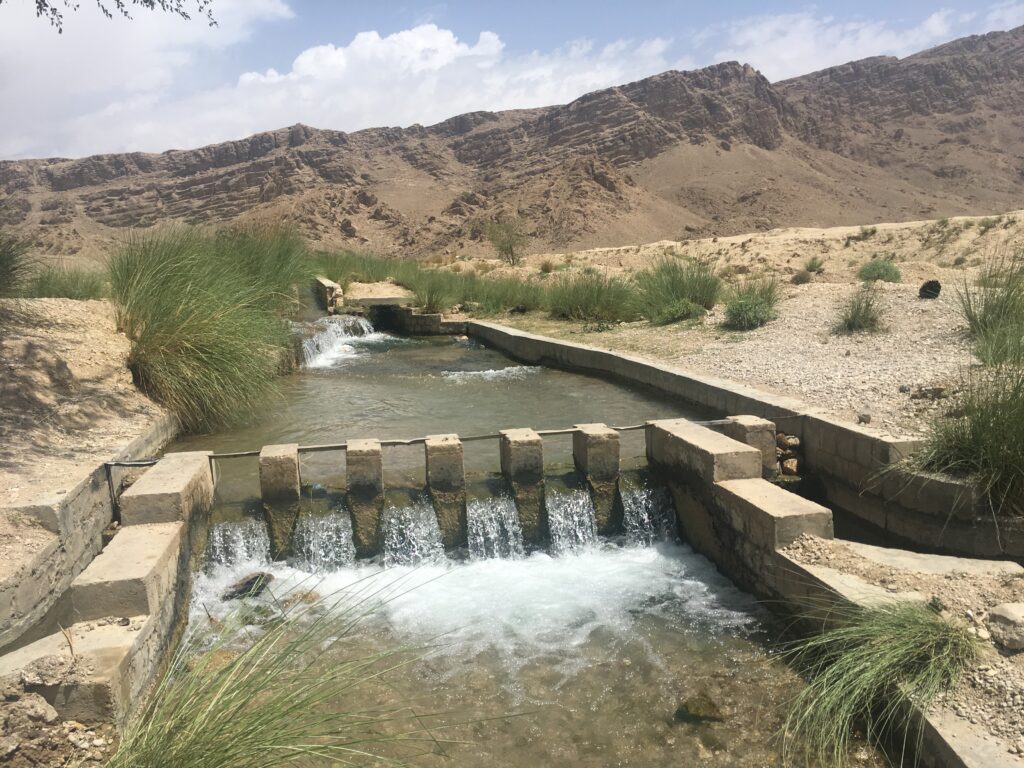
    Wattoo served as Deputy Team Leader and Hydraulics Design Engineer for the National Program for Improvement of Watercourses in Balochistan, Pakistan (2005–2008) . He contributed to the design of watercourses, RCC and PVC pipelines, and water storage tanks. His work helped improve irrigation efficiency and reduce water losses. This program significantly supported sustainable agriculture and water conservation in rural areas.